Few dishes can travel the world, cross cultures, and still feel like home with every bite; the burrito is one of them.
From busy food trucks and cozy taquerias to restaurants like Burrito Houz, this simple rolled tortilla has become a global comfort food.
But where did it all begin? The burrito’s story is richer and older than most people realize, a tale that stretches from ancient Mesoamerica to the streets of Northern Mexico, and eventually, to the bustling cities of North America.
Before your next bite, let’s unwrap the fascinating history behind everyone’s favorite handheld meal.
Ancient Roots: The First Wrapped Meals
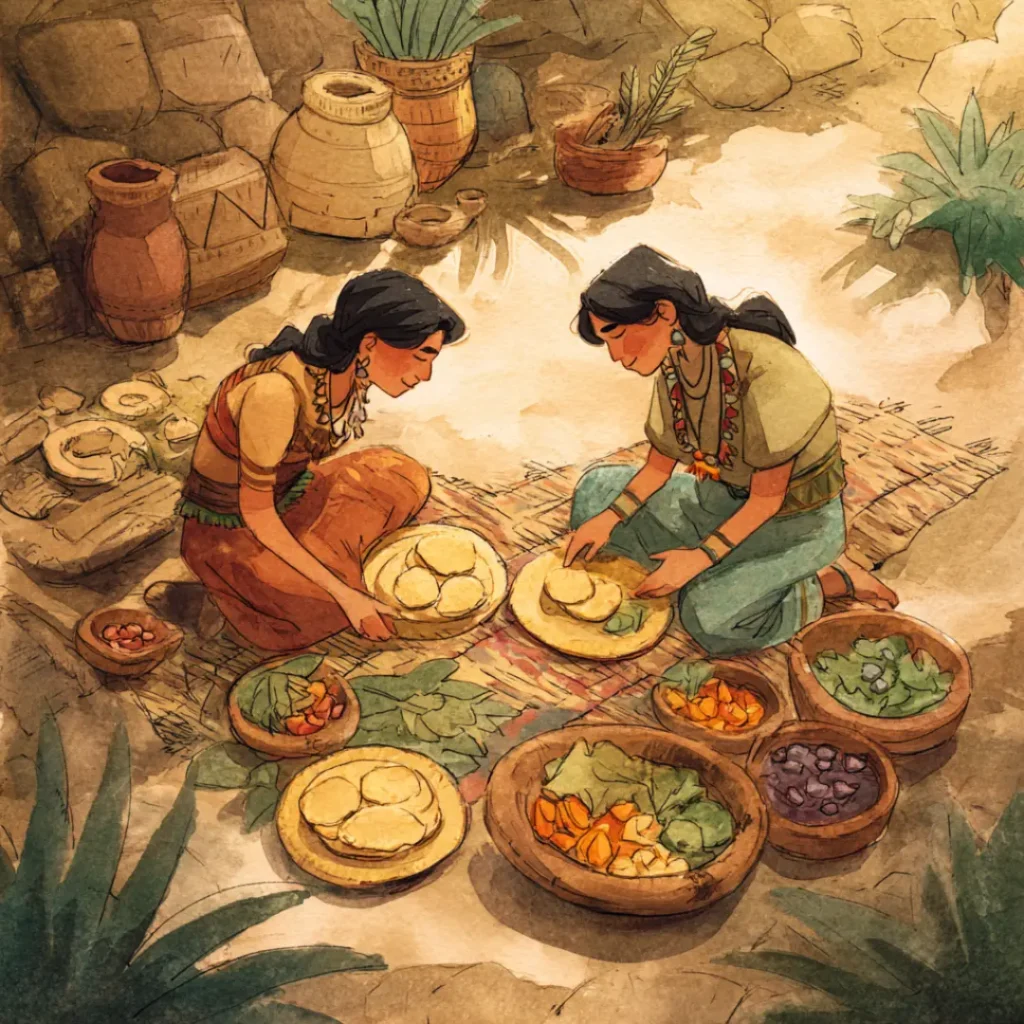
Long before anyone called it a “burrito,” people across ancient Mesoamerica were already wrapping their meals in tortillas.
The Maya and Aztec civilizations used freshly made corn tortillas as edible plates, filling them with beans, chili, squash, and other native ingredients.
It wasn’t just about flavor, it was practical. Wrapping food in tortillas kept it warm, portable, and easy to eat on the go.
Imagine farmers and travelers carrying these simple yet hearty bundles while working in the fields or journeying between villages.
These early tortilla wraps weren’t burritos as we know them today, but they set the foundation for something extraordinary.
Over centuries, as cultures blended and ingredients evolved, the idea of a filled tortilla began to take on new life leading to what we now call the burrito.
The Birth of the Burrito in Northern Mexico
The story of the modern burrito begins in northern Mexico, particularly in regions like Chihuahua and Sonora, places known for their vast deserts, hardworking people, and love for hearty meals.
Unlike southern Mexico, where corn tortillas are king, the north embraced wheat flour tortillas, which were larger, softer, and easier to roll.
One of the most popular stories credits a man named Juan Méndez, a food vendor from Chihuahua during the Mexican Revolution in the early 1900s.
To keep his food warm while traveling on his donkey, Méndez began wrapping it in large flour tortillas.
Customers loved the idea of a warm, portable, and satisfying meal that could be eaten anywhere.
That clever idea caught on quickly. People started calling Méndez’s creation a “burrito,” which means “little donkey” in Spanish perhaps because it was carried by his donkey or because it resembled the packs donkeys often carried.
From there, the burrito became a regional favorite, a symbol of Mexican creativity and simplicity.
What began as a quick street meal would soon find its way beyond Mexico’s borders and into kitchens around the world.
The Burrito Travels North: Crossing into the U.S.
As with many beloved Mexican dishes, the burrito didn’t stay within Mexico’s borders for long.
In the early 20th century, it began making its way north, crossing into the United States through Mexican-American communities, especially in California and Texas.
In California, the burrito took on a new identity: bigger, bolder, and packed with flavor.
By the 1960s and 70s, San Francisco’s Mission District gave birth to what we now call the Mission-style burrito: a large flour tortilla stuffed with rice, beans, meat, salsa, and sour cream, then wrapped in foil to hold it all together.
This version was hearty, convenient, and became a symbol of California’s vibrant food scene.
Meanwhile, in Texas, burritos merged with Tex-Mex flavors loaded with cheese, chili, and sauces creating yet another regional twist.
No matter the version, one thing was clear: the burrito had become more than a meal; it was now part of North American food culture.
From street carts to restaurants, the burrito’s popularity grew rapidly.
Its simple concept of a tortilla wrapped around something delicious became the foundation for endless creativity.
Burritos Around the World: A Global Love Story
As the burrito continued its journey, it became a global sensation.
Every region it touched added its own twist, creating countless versions each one celebrating the burrito’s versatility and universal appeal.
In California, locals created the California Burrito, a bold, indulgent version stuffed with carne asada, French fries, cheese, and guacamole, a true West Coast favorite.
Down in the Southwest U.S., the Breakfast Burrito took over, filled with eggs, bacon, potatoes, and salsa, becoming a go-to morning meal for millions.
Then came the Tex-Mex burrito, smothered in cheese and chili sauce, the wet burrito drenched in flavorful red or green sauce, and even fusion burritos — think Korean BBQ, vegan protein, or sushi-inspired wraps.
The burrito had officially gone global.
What makes it special is its simplicity, a blank canvas that adapts to any culture, ingredient, or craving.
Whether you’re in Mexico, Canada, or Japan, there’s a burrito for everyone.
Burrito Houz: Keeping Tradition Deliciously Alive
At Burrito Houz, we see every burrito as more than just a meal; it’s a piece of history rolled into every bite.
Inspired by centuries of tradition, we craft each burrito with the same spirit that began in Northern Mexico: fresh ingredients, bold flavors, and simple, honest cooking.
Our chefs handcraft every wrap with care, layering authentic Mexican ingredients like slow-cooked meats, seasoned beans, melted cheese, and freshly made salsa all wrapped in soft, warm tortillas.
While we stay true to the burrito’s roots, we also love to experiment.
From Birria Tacos to modern burrito twists, every dish at Burrito Houz brings a blend of tradition and creativity.
For us, it’s not just about feeding hunger it’s about sharing a story that began generations ago and continues to evolve right here in Toronto.
Each burrito we serve carries a bit of that journey from the dusty roads of Chihuahua to your table.
A Final Bite
From ancient tortilla wraps in Mesoamerica to the revolutionary streets of Chihuahua and the bustling kitchens of Toronto, the burrito has come a long way. What began as a simple, practical meal has become a global symbol of comfort, creativity, and culture.
At Burrito Houz, we’re proud to continue that tradition honoring the past while adding our own flavor to its future.
Because every burrito tells a story, and every bite connects us to the people and places that made it what it is today.
So, the next time you unwrap a warm, flavorful burrito, remember: you’re not just enjoying a meal, you’re tasting centuries of history, passion, and innovation, all rolled into one.
FAQs About Burritos
When is National Burrito Day?
National Burrito Day is celebrated every year on the first Thursday of April. It’s the perfect excuse (as if we needed one) to grab your favorite burrito from Burrito Houz and celebrate with extra guac!
What does the word “burrito” mean?
The word “burrito” literally means “little donkey” in Spanish. Some say it got the name because it was first sold from donkeys or because the rolled shape looks like a donkey’s pack.
Where did burritos originate?
Burritos originated in northern Mexico, especially in regions like Chihuahua and Sonora, before becoming a hit in the U.S. and around the world.
What’s the difference between a taco and a burrito?
A taco is typically smaller, made with corn tortillas, and served open, while a burrito uses a large flour tortilla that’s wrapped around fillings — making it the ultimate grab-and-go meal.